About Pilates
Pilates is a system of controlled, low-impact exercise developed by Joseph Pilates in the early 20th century, built around strengthening the body's deep "core" or "powerhouse" muscles - the abdominals, pelvic floor, and muscles supporting the spine - to improve posture, stability, and movement efficiency. Rather than focusing on repetition or intensity, it emphasises precise alignment, controlled breathing, and quality of movement over quantity, so that strength is built from the inside out and carried into everyday movement patterns. It's typically practised on a mat or specialist apparatus (like the reformer), and its principles -concentration, control, centring, precision, breath, and flow -distinguish it from most other forms of exercise.
Joseph Pilates' approach was shaped by a wide mix of disciplines he drew together over his life. As a sickly child in Germany - he suffered from asthma, rickets, and rheumatic fever - he became deeply motivated to build his own strength and health, studying bodybuilding, gymnastics, wrestling, boxing, and yoga, as well as the physical ideals of ancient Greek and Roman culture. He was also influenced by the bodybuilding and "physical culture" movement popularised by figures like Eugen Sandow. During WWI, while interned in England as a German national, he worked as an orderly and began rehabilitating bedridden patients using bed springs rigged to provide resistance - an idea that later evolved into his reformer apparatus. This blend of rehabilitative necessity, anatomical study, and cross-disciplinary movement training led him to develop a method that prioritised control, precision, and whole-body integration over brute strength, which he called "Contrology" -the forerunner of what's now known as Pilates.
To my mind he was a great problem solver developing ideas and apparatus to challenge the mind and body.
If you are currently feeling worn down your body and don’t know where to start it’s worth remembering that if you can get up from sitting you can do a squat and that if you can get up out of bed you are doing abdominal work.
Any kind of movement or breathing uses our ‘core’. Your core is really your whole body, everything works together. Breathwork can be a wonderful way to start to ‘activate’ your body to feeling more relaxed, comfortable and confident to get back to moving more.
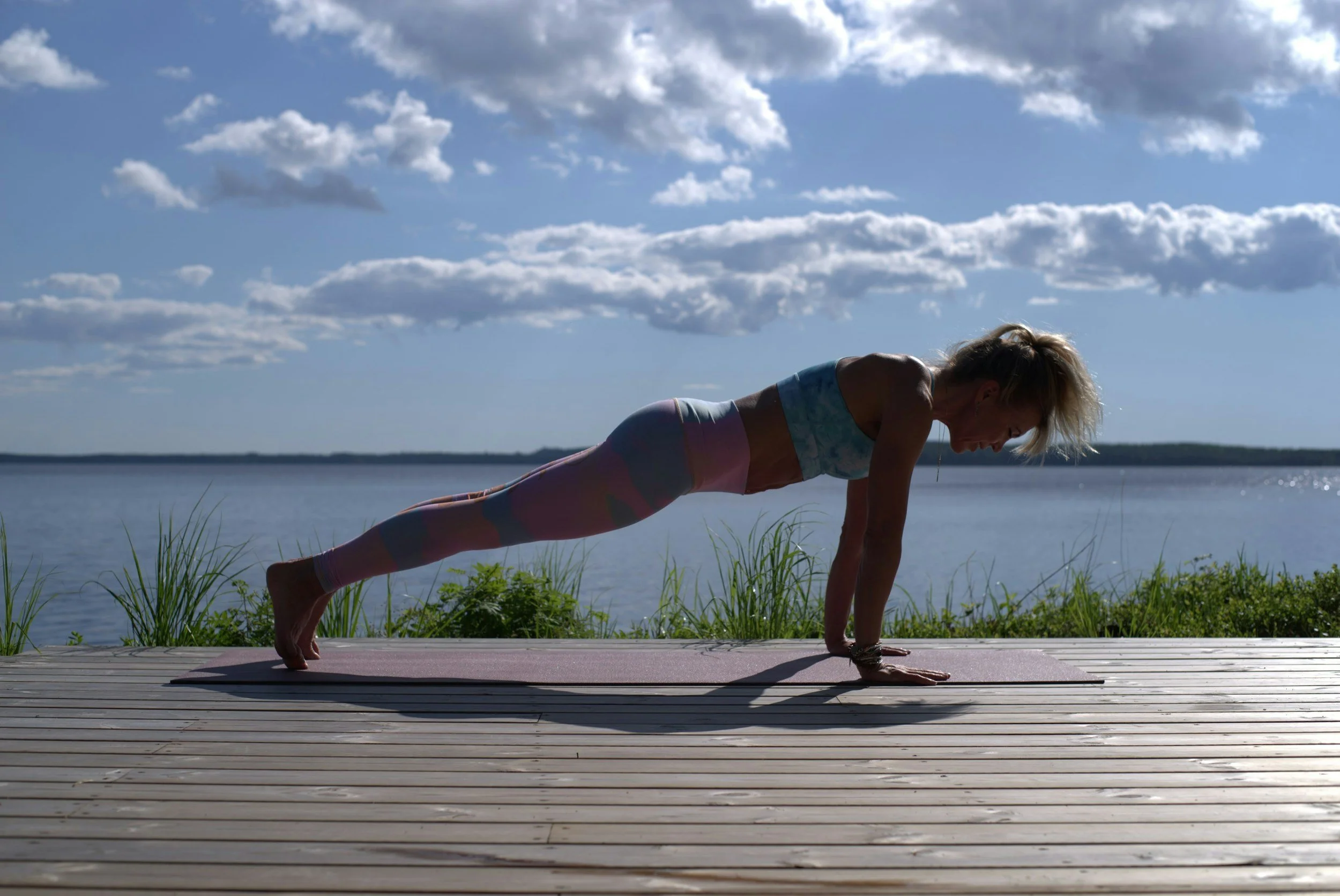
Joseph Pilates underlying goal was to restore balance between the mind and body, which he believed modern life - poor posture, sedentary habits, inefficient breathing - had eroded. He wanted to create a method that built uniform, functional strength across the whole body rather than isolated or excessive muscle, believing that true fitness meant every muscle working in harmony to support natural, efficient movement. Central to this was his belief that conscious control of movement and breath could correct imbalances, prevent injury, and improve both physical and mental wellbeing - he saw the mind as an active participant in training the body, not just a passive observer. Ultimately, he envisioned Contrology not as a workout but as a long-term practice for living well: improving how people moved, breathed, and carried themselves in everyday life, not just during exercise itself.
We tend to be a bit reductionist in how we think about our ‘core’. the deepest layer of the abdominal muscles is the transverse abdomens. The rectus abdominus (your ‘six pack’ muscles), and internal and external obliques overlay them. There are many other muscles that merge and connect with these structures, and you need a strong back to have a strong front.
Movement is a key approach to changing our mood, perception and sense of self.
I always take great reassurance knowing that my nervous system and fascial system LOVE stimulus and will adapt and respond accordingly. When I introduce a new movement I always says ‘enjoy the struggle - its your nervous system figuring out what to do’ or ‘the wobble zone is the best’ We THRIVE on novelty. In the world of movement we can influence the experience by using blocks, balls, sticks, weights, bands, rhythm and temperature/environment.