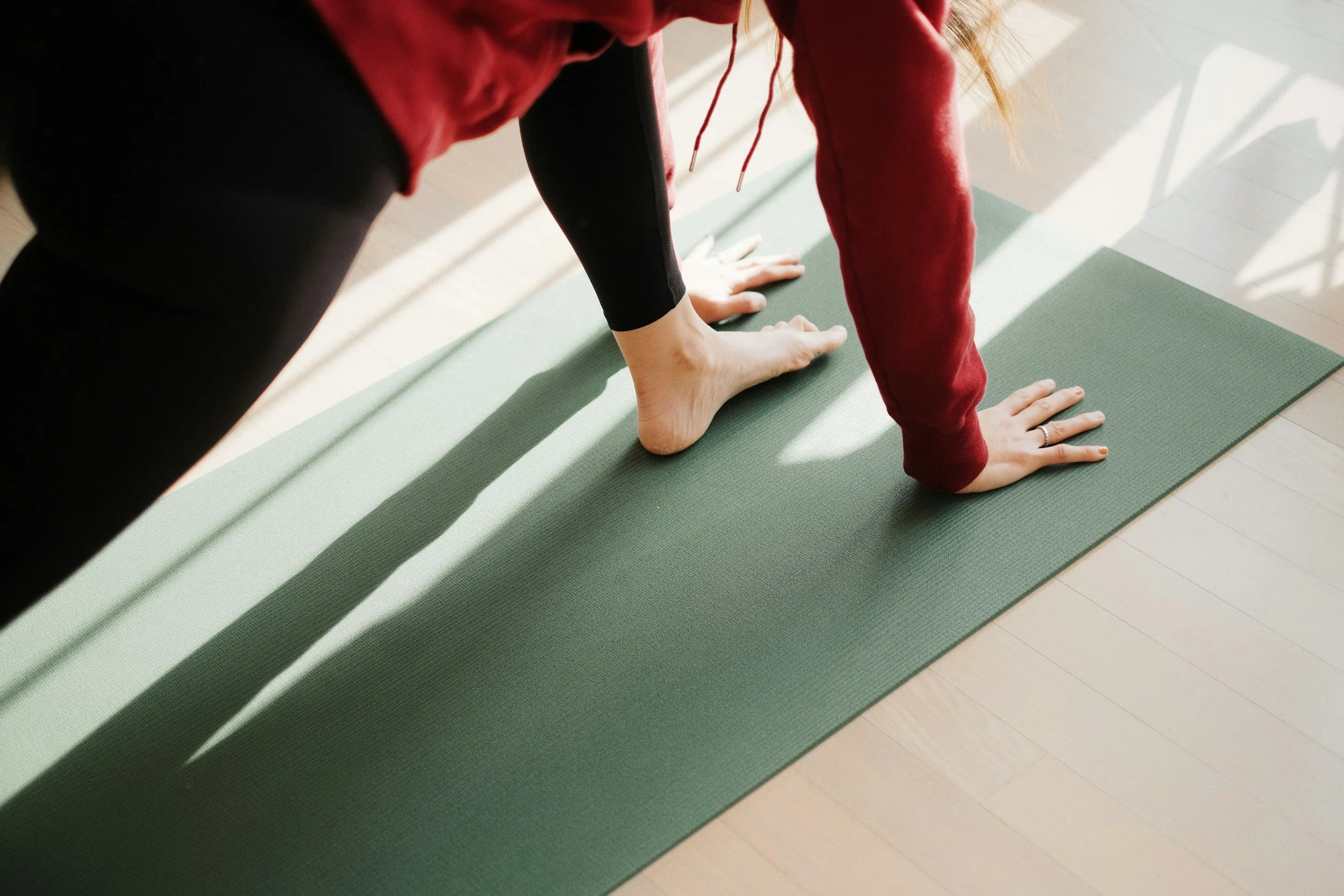
£10 per class
Classes
Pilates and movement.
Anecdotally I found training in a hot room TREMENDOUSLY helpful during perimenopause while I was recovering from a frozen shoulder. The mobility returned to my shoulder quicker than I could have imagined. It also just felt incredibly good to sweat and be in the heat. I know this environment isn’t right for everyone but if you are ok with heat it is really worth trying.
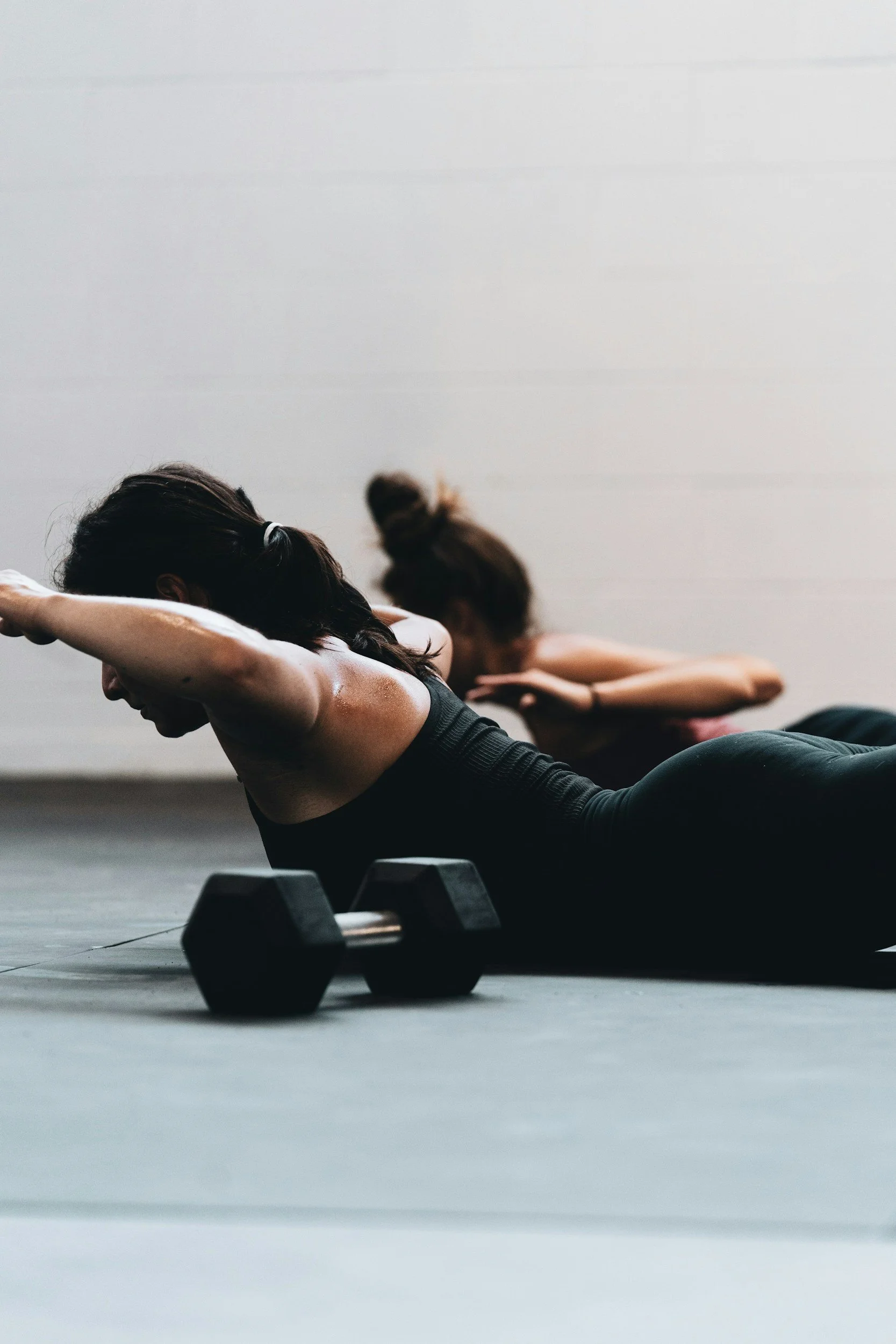
Pilates workshops are a great introduction to this way of exercising if you haven’t done pilates before and also a great reminder of the techniques and concepts if you have. These are practical workshops, designed to be fun and informative.
Traditional Pilates based classes incorporating small equipment such as weights, bands, blocks and sticks. Influenced by a modern understanding of biomechanics and neurology.
❋ Intentional StructureGuided movement to provide structure and safety. Every class is carefully structured and planned to give you the most benefit.
❋ Collaborative EnergyConnect more deeply with yourself and enjoy working out in a group. My classes are dynamic - you will not spend the whole time on the floor.
❋ Expert FacilitationOver 30yrs experience working with all types of people. Movement and exercise is a personal practice - it feels different every day.
❋ The Hot RoomTraining in a hot room can feel like a challenging environment. There are many advantages to working out in the heat.
BEFORE YOUR CLASS
For your safety:
Arrive well hydrated.
Avoid attending class if you are unwell, have a fever, are dehydrated or have been drinking alcohol.
Avoid eating a large meal immediately before class.
Bring sufficient water and drink according to your thirst.
Wear comfortable clothing that allows you to move freely.
bring a towel to cover your mat
Inform your instructor before class if you are new to exercising in heat.
You are encouraged to take breaks whenever you need them.
You do not need to keep up with the rest of the class.
Normal responses during a class
Your body will naturally work harder in a heated environment. You may experience:
increased sweating
an increased heart rate
increased breathing rate
a feeling of greater exertion
warmth or flushing
muscle fatigue
increased thirst
These responses can be normal during exercise in heat.
However, you should stop exercising and notify your instructor immediately if you experience:
dizziness or feeling faint
nausea or vomiting
unusual weakness
confusion or disorientation
severe headache
difficulty breathing
chest pain or pressure
unusual palpitations
loss of coordination
feeling excessively hot or unwell

Why Do We Practice in the Heat?
Stepping into a yoga studio heated to around 37°C can feel intense at first—but your body is incredibly adaptable. With regular practice, exercising in the heat encourages a range of positive changes that help your body work more efficiently, both on and off the mat.
Your Body Learns to Keep You Cool
One of the remarkable things about the human body is its ability to adapt. As you become accustomed to exercising in the heat, your cooling system becomes more effective.
You may begin to sweat a little earlier, your circulation improves, and your heart doesn't have to work quite as hard to keep you cool. Scientists call this heat acclimation, and it helps your body cope more comfortably with warm conditions while improving overall exercise efficiency.
A Workout for Your Heart
The heat encourages your cardiovascular system to work a little harder than it would during the same class in a cooler room. Over time, this gentle challenge can improve how efficiently your heart pumps blood around your body, delivering oxygen to your muscles while also helping regulate your temperature.
Think of it as giving your heart and circulation a healthy training session alongside your yoga/pilates practice. I have been astonished at how much easier it is for me to run now. I had no idea how much my heart and lung capacity would improve working in a hot room.
Move More Freely
Warm muscles naturally become more supple, making movement often feel smoother and more comfortable. Many people notice that stretching feels easier in the heat, allowing them to explore movement with greater ease.
Let the heat support your movement - but don’t force it. Exercise and movement is always about listening to your body rather than pushing beyond its limits, as I always say ‘movement is a personal practice, everyday is different’.
Calm Mind, Strong Focus
Practising in the heat asks you to slow down, breathe deeply and stay present. Rather than fighting the warmth, you learn to work with it.
Many students find this develops resilience, improves concentration and creates a deep sense of calm that carries into everyday life. Research also suggests that regular yoga practice—including hot yoga—may help improve mood and reduce stress for many people. And exercising with a group of people is so much more fun.
What About Sweating?
Whats in my sweat?
Main components
Water (the biggest part)
Electrolytes/salts
Sodium and chloride (and smaller amounts of potassium, magnesium, etc.)
Small amounts of other substances
Urea, lactic acid, ammonia/related compounds (these can vary)
Lipid components (especially in underarms—apocrine areas contribute more)
The main purpose of sweat is to cool you down. Your liver and kidneys are the body's natural detoxification organs, working around the clock to process and remove waste products.
Sweating is a sign that your body's cooling system is working exactly as it should. As your fitness and heat tolerance improve, your body becomes better at regulating its temperature, making future classes feel more comfortable and efficient.
Getting the Most from Your Practice
To enjoy the benefits of heated class:
Come to class well hydrated.
Replace fluids and electrolytes after class if you've been sweating heavily.
Practise at your own pace and rest whenever you need to.
Remember that adaptation happens gradually—every class helps your body become a little more efficient.
At the studio, the heat isn't there to make the class harder. It's there to create an environment that supports healthy adaptation, mindful movement and a deeper connection with your body.
The Science
The benefits of exercising in the heat are supported by research on heat acclimation, which has been shown to improve temperature regulation, increase blood plasma volume, reduce cardiovascular strain and enhance exercise efficiency. Studies of hot yoga have also reported improvements in flexibility, balance, cardiovascular fitness and psychological wellbeing, although researchers continue to investigate the full range of long-term benefits.
Selected peer-reviewed references
Périard, J. D., Racinais, S., & Sawka, M. N. (2021). Adaptations and mechanisms of human heat acclimation: Applications for competitive athletes and sports. Scandinavian Journal of Medicine & Science in Sports.
Tyler, C. J., Reeve, T., Hodges, G. J., & Cheung, S. S. (2016). The effects of heat adaptation on physiology, perception and exercise performance in the heat: A meta-analysis. Sports Medicine.
Cramer, H., Lauche, R., Haller, H., et al. (2018). Effects of yoga on cardiovascular disease risk factors: A systematic review and meta-analysis.
Edward F. Adolph and later work on human thermoregulation laid the foundation for our understanding of sweating and heat adaptation.

Location
Hot Yoga Warwick
Unit 2 Emscote Mill, Wharf St, Warwick, Warwickshire CV34 5LB
wednesdaysunday
8:15 – 9:15am
Coming soon Breathwork classes
8:45 – 9:45am