Why is touch so important?
The language of touch is universal. The instinct to soothe or reassure another through touch is primal. The squeeze of a hand, a hug, a pat on a shoulder, caressing a cheek, soothing a child or baby patting or stroking its back - these tactile gestures of support and connection shape the relationships in our lives.

The Healing Power of Touch
From massage to craniosacral therapy….
We live in times of extraordinary medical technology, yet one of the oldest healing tools available to us is also one of the most overlooked: the human hand. The research published in the last few years suggests its value for physical and mental health.
In April 2024, researchers at the Netherlands Institute for Neuroscience published comprehensive analysis of touch and health research to date. Data was pooled from 137 studies involving over 13,000 volunteers across the lifespan - from premature newborns to elderly adults.
137 studies analysed in the 2024 meta-analysis
13,000+ volunteers across the lifespan
83% of massage studies showed significant anxiety reduction (2024 systematic review)
In infants, touch interventions helped regulate stress hormones, temperature, respiration, and liver function. In adults, touch was consistently shown to reduce depression, anxiety, and physical pain. The benefits appeared regardless of whether the touch came from a healthcare professional or a trusted friend.
The person doing the touching, the technique used, and the duration of the session made less difference than expected. What mattered most was frequency so keep getting your hugs in.
What's actually happening in your body
The science of how touch works has been transformed in recent decades by the discovery of a specific class of nerve fibres in human skin called C-tactile (CT) afferents. These unmyelinated nerve fibres respond most strongly to slow, gentle stroking at around 3cm per second (roughly the speed of a caring touch). They don't register location or pressure the way ordinary touch receptors do. Instead, they feed directly into the brain's emotional processing centres, activating the posterior insular cortex and producing a distinct sense of pleasure and social safety.
When these fibres are stimulated they trigger a cascade of beneficial effects: the parasympathetic nervous system (your "rest and digest" state) switches on (often accompanied by a deep breath, yawn or the tummy gurgling), cortisol levels drop, heart rate slows, and the brain releases a cocktail of feel-good neurochemicals -endorphins, serotonin, dopamine, and very likely oxytocin. A 2024 paper published in Frontiers in Psychiatry described this as "affective touch" - an emotional processing system that humans have carried throughout evolution precisely because touch is essential for survival and social cohesion.
The brain connection: neuroscientist Edmund Rolls found that touch activates the orbitofrontal cortex — the brain region associated with feelings of reward and compassion. It's the same area that lights up when we experience love or connection.
Why massage is more than a luxury
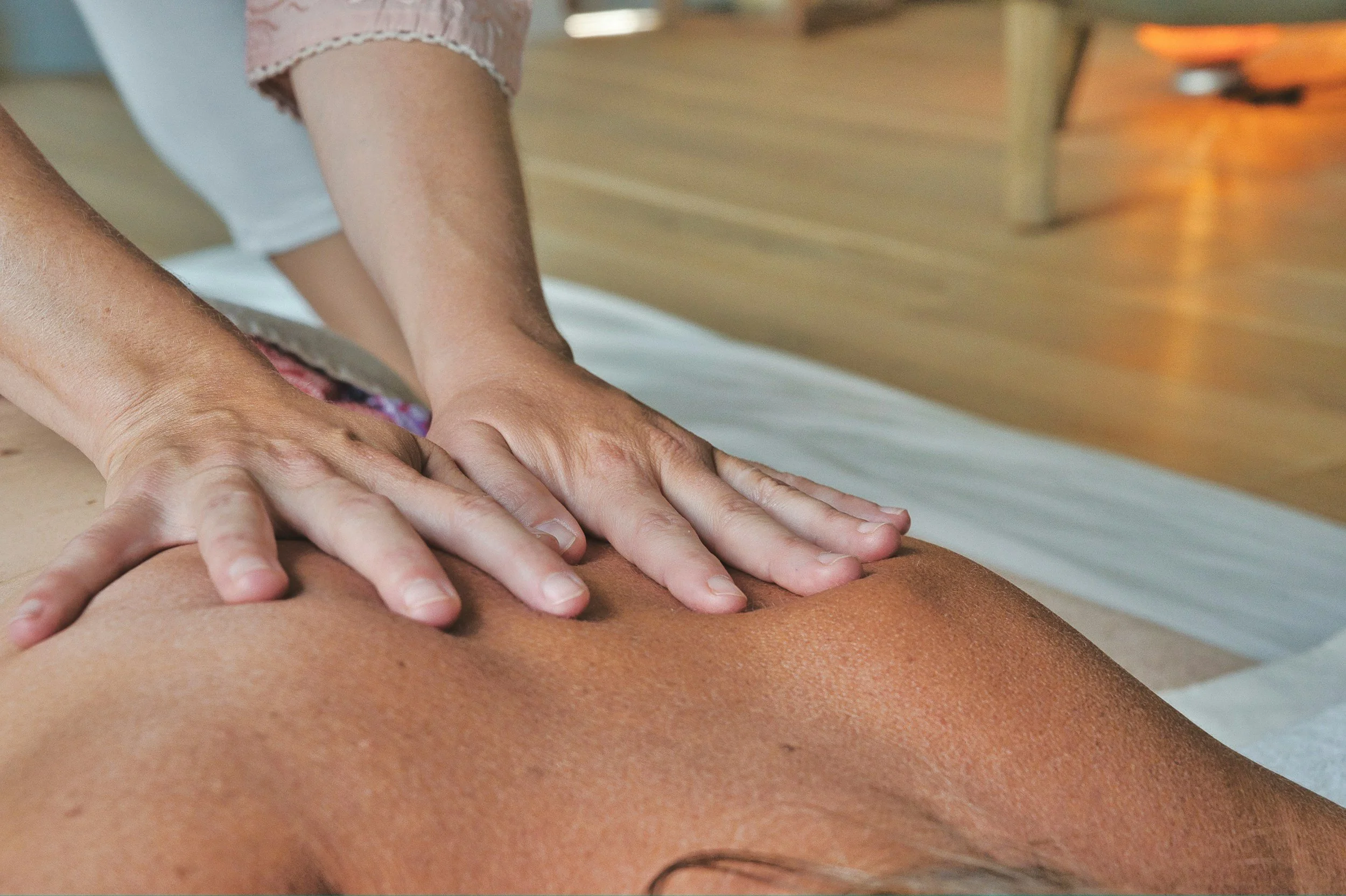
As long as you are comfortable with your skin being touched massage can feel wonderful. How often do we get to give ourselves over to the pleasure of touch. The nervous system loves sensations of pleasure, it helps it to feel safe and relaxed. I recently worked with someone who had had awful back pain and worked gently on the feet and head as they found it so difficult to move. Her system relaxed and her pain eased.
Against this neurological backdrop, the evidence for massage therapy and the like is substantial. A 2024 systematic review examined 34 studies on massage and manual therapies for anxiety and found that 83% of massage-focused studies reported significant reductions in anxiety intensity. Massage therapy has also been shown to improve sleep quality (partly by supporting melatonin production), reduce chronic pain, and measurably lower circulating cortisol.
Research from Stanford Medicine highlights that even brief sessions make a difference: a ten-minute massage was enough to significantly increase heart rate variability, a key marker of the body's ability to shift into a relaxed state. For anyone managing anxiety, burnout, or chronic pain, this is important.
The bottom line
The science of touch is no longer soft science. A robust and growing body of evidence — from cellular neuroscience to large-scale meta-analyses — confirms that human touch is biologically active, therapeutically meaningful, and genuinely necessary for health across the lifespan.
Key sources: Packheiser et al. (2024), Nature Human Behaviour — meta-analysis of 137 touch studies. McGlone et al. (2024), Frontiers in Psychiatry — "Touch medicine" and C-tactile afferents. West & Huzji (2024), Journal of Osteopathic Medicine — systematic review of manual therapies and anxiety. Cook et al. (2024), Frontiers in Medicine — CST and heart rate variability. WorkSafeBC Evidence-Based Practice Group (2025) — CST in chronic pain update. Stanford Medicine 25 (2024) — "Hands-On Healing: The Evidence Behind Therapeutic Touch."